
Zero Emission Heavy Vehicles:
Tech Options, Operational Realities, and the Road Ahead
Author: Simon Anthonisz, General Manager of Transport, Orcoda (ASX:ODA)
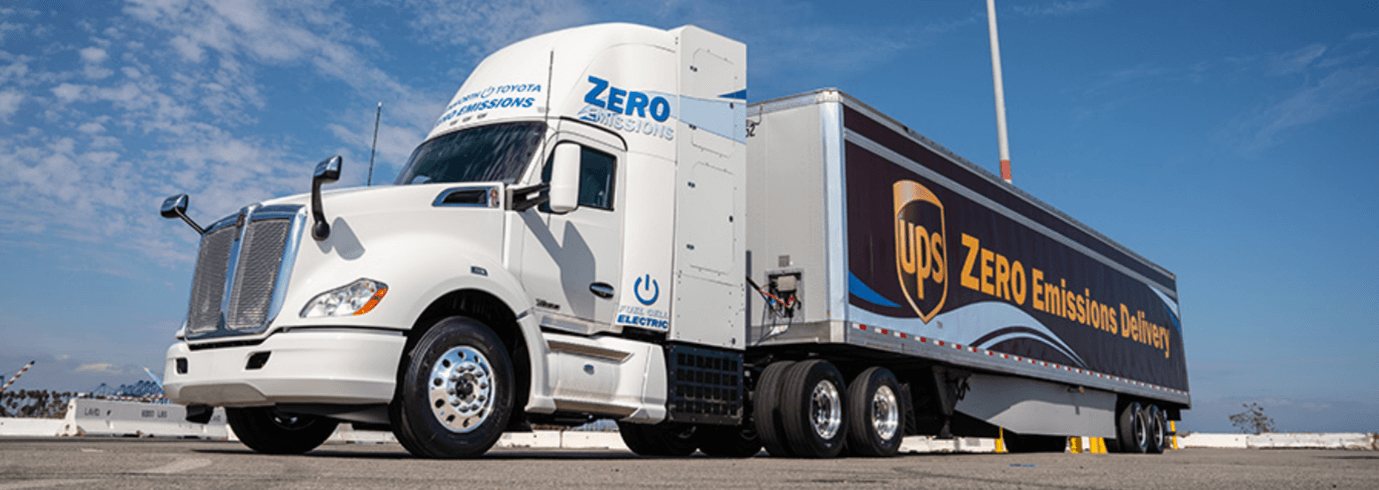
The Australian transport landscape is undergoing its most significant transformation since the internal combustion engine replaced the horse and cart. The imperative to decarbonise is no longer a distant environmental goal; it is a present economic and operational reality, driven by increasing ESG scrutiny and customer demands for greener supply chains.
For the heavy vehicle sector, which is the backbone of our logistics networks, this transition is particularly complex. Australia’s vast distances and heavy payloads require solutions that are not just green, but robust and economically viable.
At Orcoda, we specialise in optimising transport logistics. We recognise that the transition to Zero Emission Heavy Vehicles (ZEHVs) introduces new layers of complexity. Integrating these technologies requires more than just replacing a diesel truck; it demands a fundamental rethink of energy management, route planning, and fleet optimisation. This blog delves into the current ZEHV landscape, using the latest Australian data to examine the technologies, their practical implications, and the strategic pathways for operators. Orcoda are working closely with partners Betterfleet and EVEnergi to understand the way forward and assist companies to make the most of the change opportunities.
Strategic Pathways: The Data Behind the “Mosaic” Approach
The first crucial insight for Australian operators is this: there will be no “silver bullet” technology to replace diesel across the board. The future of heavy transport will be a mosaic, dictated by the specific use case.
Recent market data validates this “mosaic” approach as an operational inevitability. Analysis of 2023 Truck Industry Council (TIC) data reveals a distinct polarisation in the Australian market. The “middle” of the market (Medium Duty) is shrinking, while operators shift towards specialised vehicles:
- Urban Logistics and Public Transport: Characterised by shorter, predictable routes and return-to-base operations—ideal candidates for immediate electrification.
- Regional Haul: Medium distances requiring longer ranges, where advanced battery solutions, hydrogen, and biofuels will compete.
- Long-Haul/Linehaul: The most challenging segment, demanding high energy density, maximum payload, and rapid refuelling along major national corridors.
The pressure to adopt these technologies is accelerating, driven not just by Net Zero targets, but by increasing ESG (Environmental, Social, and Governance) scrutiny from investors and customers demanding greener supply chains.
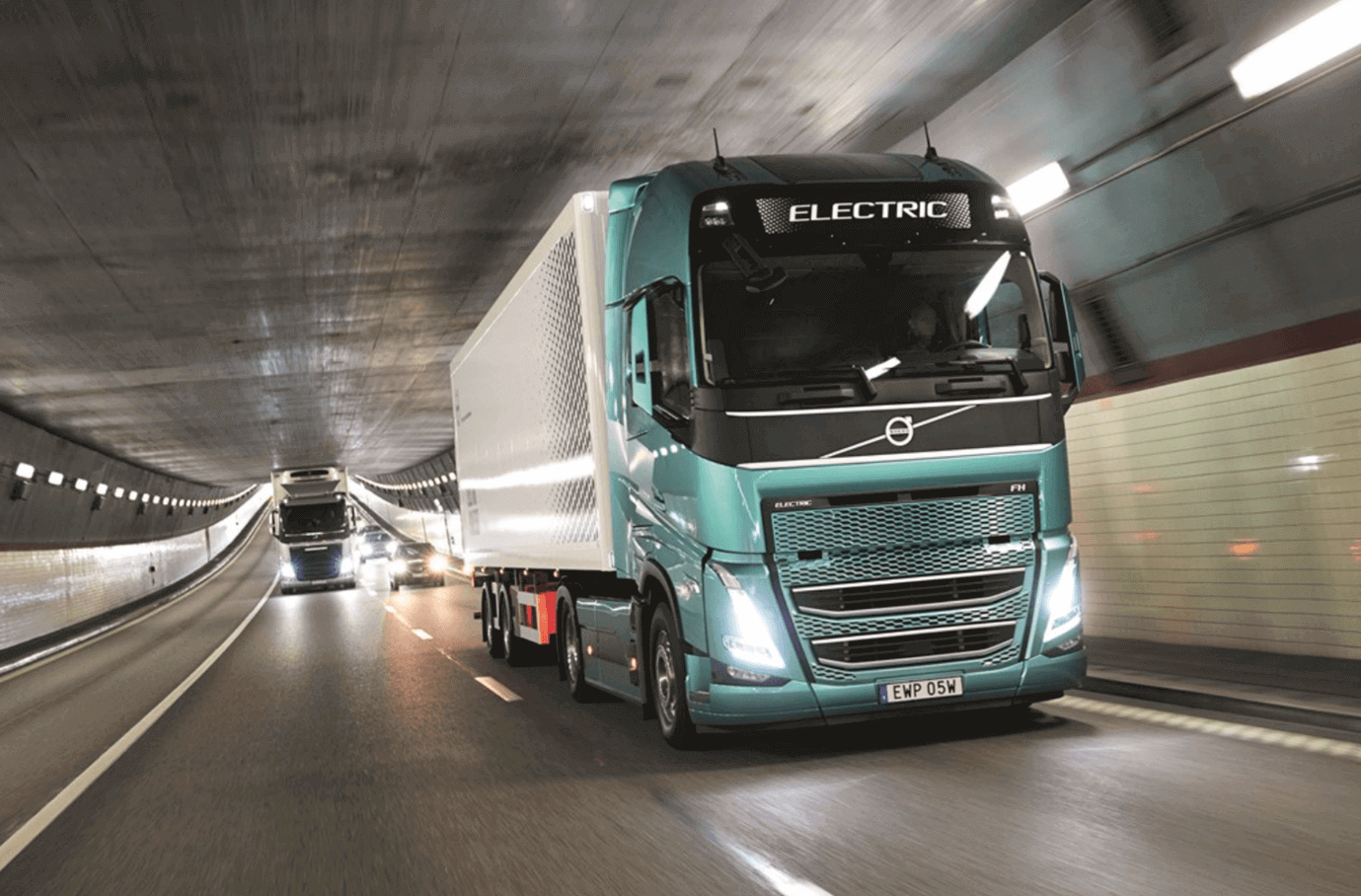
In-Depth Technology Review: The Zero Emission Toolkit
Understanding the benefits, constraints, and economic realities of the available options is essential for future-proofing your fleet.
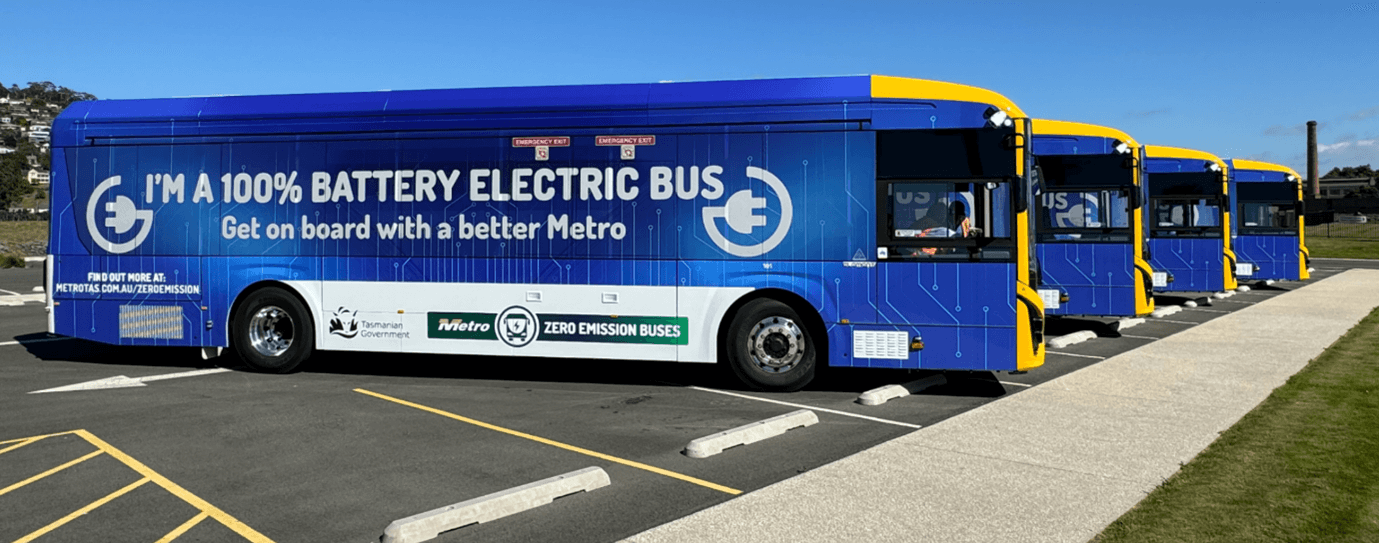
1. Battery Electric Vehicles (BEVs): The Urban Leader
BEVs are the most mature ZEHV technology and are set to dominate urban and regional applications.
- Benefits: BEVs offer the highest “well-to-wheel” energy efficiency (approximately 70%), zero tailpipe emissions, and lower maintenance costs.
- TCO Advantage: A comprehensive Total Cost of Ownership (TCO) analysis conducted for Transport for NSW (TNSW) projects that by 2030, if a BEV can operationally perform the required task, it presents the lowest TCO compared to both diesel and FCEV alternatives.
- The Payload Nuance: Battery weight does impose a “payload penalty.” However, the impact is highly dependent on the freight task. In urban distribution, trucks often “cube out” (run out of space) before they “weigh out” (reach maximum legal weight). In these common scenarios, the payload reduction is not a significant commercial barrier.
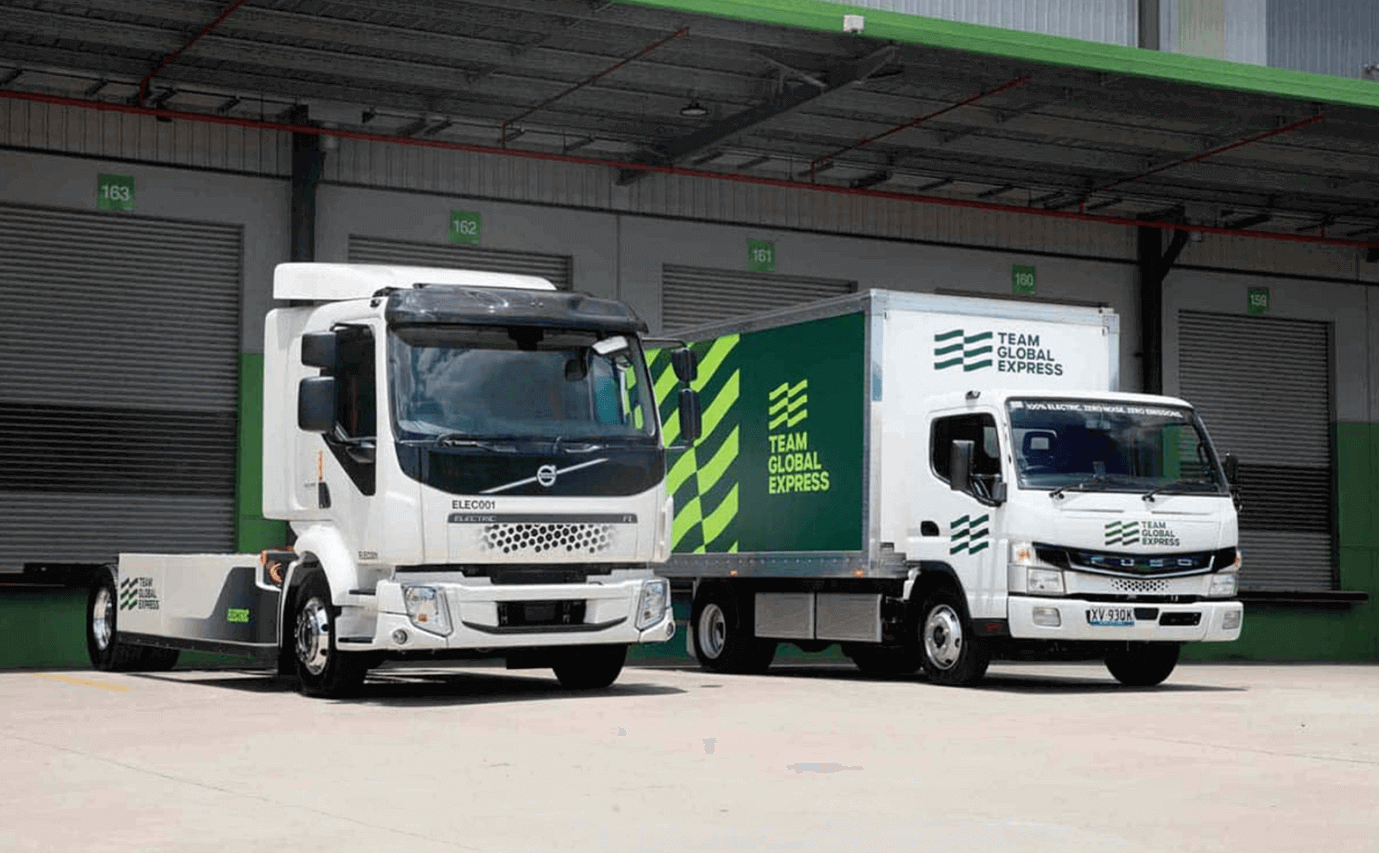
- Real-World Example: Team Global Express (TGE) is undertaking Australia’s largest trial, deploying 60 electric trucks from a single depot in Sydney. This trial highlights that successful electrification is fundamentally an energy management challenge.
2. Hydrogen Fuel Cell Electric Vehicles (FCEVs): A High-Risk Venture
FCEVs use hydrogen gas to create electricity and are often seen as the solution for long-haul transport due to faster refuelling and longer range (600km+). However, the current outlook is challenging.
- Constraints: FCEVs have much lower overall energy efficiency (around 25-30%) due to energy losses in hydrogen production, compression, and transport.
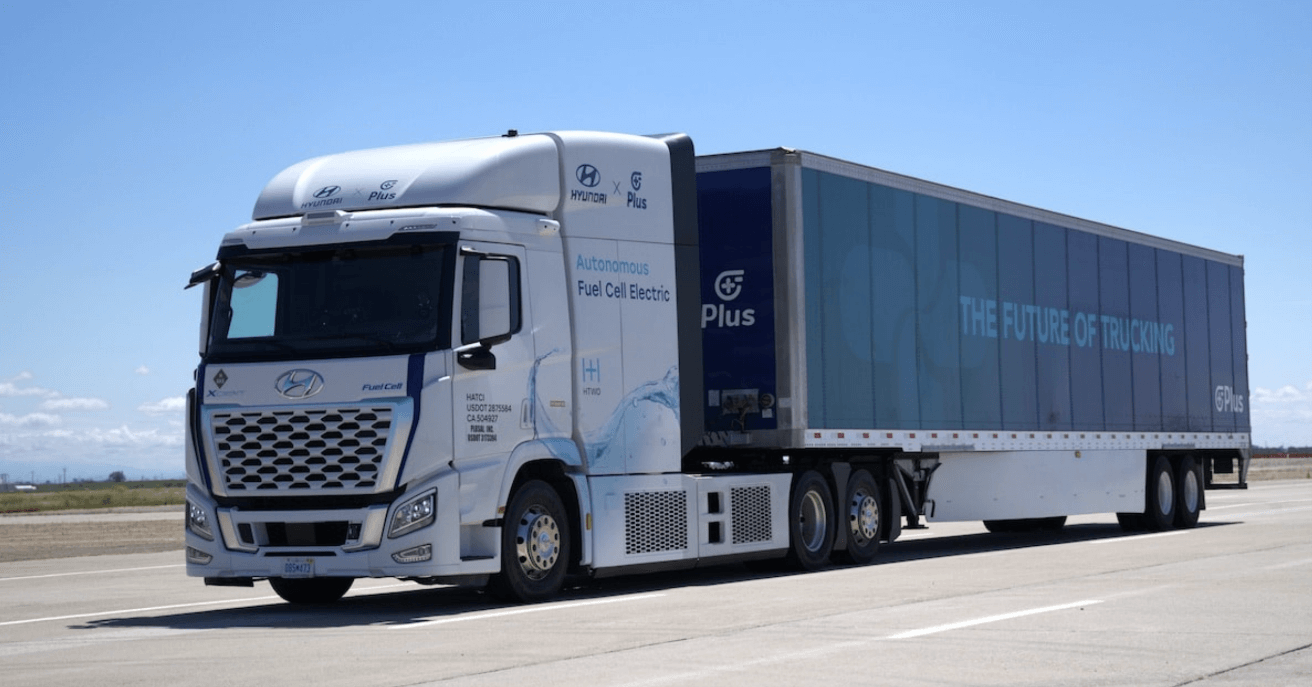
- The Viability Trilemma: FCEVs are caught in a negative feedback loop: high vehicle costs (up to $850,000 AUD) deter adoption; lack of adoption provides no commercial case for infrastructure; and lack of infrastructure prevents economies of scale needed to lower hydrogen costs. The TNSW TCO model projects a 2030 “at the pump” hydrogen cost of $6/kg to $9/kg, making it difficult for FCEVs to compete financially.
- Real-World Indicator: In a significant development (Q2 2024), Hyzon Motors, a key global FCEV manufacturer previously deploying trucks in Australia, announced it is halting its Australian operations. This is a stark indicator of the fragility of the FCEV business case in the current Australian context.
3. Renewable Diesel (HVO): The Crucial Bridge
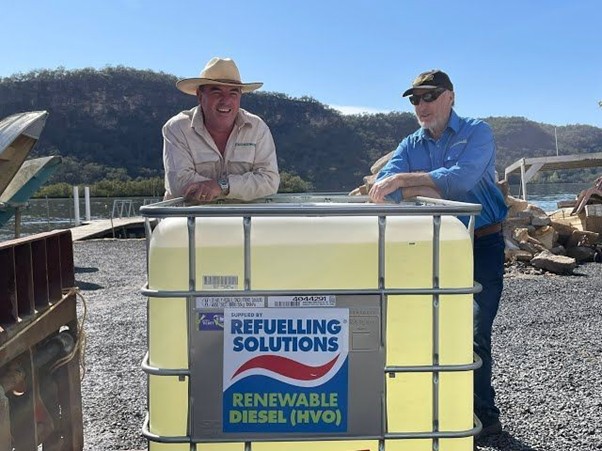
Hydrotreated Vegetable Oil (HVO), or renewable diesel, offers a crucial and immediate transitional pathway.
- Benefits: “Drop-in” compatibility with existing diesel engines and infrastructure.
- Quantifiable Impact: HVO offers a substantial reduction in lifecycle carbon emissions. Neste, the world’s largest producer, states its product can reduce lifecycle greenhouse gas (GHG) emissions by 75-95% compared to conventional diesel.
- Best Fit: A pragmatic bridging technology to lower the carbon footprint of existing fleets today, while ZEHV infrastructure and technology mature.
Infrastructure Bottleneck: A Stark Reality
Infrastructure is arguably the single biggest hurdle to ZEHV adoption in Australia.
- BEV Infrastructure: There is currently no public, en-route charging network designed for heavy electric trucks in Australia. The transition is reliant on a “behind the fence,” depot-centric model, requiring substantial private investment and grid upgrades.
- FCEV Infrastructure: The situation is equally stark. A 2023 CSIRO report identified only five operational hydrogen refuelling stations nationwide, with no interconnected network along major freight corridors.
Practical Implications: The Critical Role of Optimisation and Energy Management
The shift to ZEHVs impacts every facet of fleet management. This is where the transition gets granular and where the TCO benefits of BEVs are either won or lost.

The Hidden Cost: Demand Charges
While the TCO for BEVs looks favourable, realising these savings hinges on sophisticated energy management. For BEV fleets, the cost of electricity goes beyond a simple cents-per-kilowatt-hour rate. The critical threat is the electricity demand charge.
Demand charges are levied by network operators based on the highest peak power drawn from the grid during a specified window (e.g., 30 minutes). Unmanaged, simultaneous charging of multiple heavy vehicles creates a massive power spike. These demand charges can add thousands of dollars to a monthly electricity bill, negating the fuel savings and destroying the TCO case for electrification.
The TGE trial proves this point. Their “Depot of the Future” integrates chargers with solar and a 1 MW Battery Energy Storage System (BESS) to manage this demand. The BESS reportedly saved $7,300 in energy costs in its first hour of operation by storing cheap off-peak power for use during peak times.
This reality makes intelligent fleet management and energy management software a non-negotiable component of the transition.
At Orcoda, we understand that managing a mixed fleet (diesel, electric, hydrogen) while factoring in new constraints like charging times, payload impacts, and critically, managing electrical load to avoid demand charges, is essential to making the economics of ZEHVs work.
The Road Ahead

The pathway to zero emissions in heavy transport is irreversible, but it will not be linear. We anticipate a diversified energy future where BEVs dominate urban logistics, HVO provides a crucial bridge for existing fleets, and FCEVs remain a longer-term, higher-risk venture for long-haul.
For fleet operators, the time for a “wait and see” approach is over. Those who proactively assess their options, invest in data-driven decision-making, and embrace optimization technologies will be best positioned to thrive.
How Orcoda Can Help
Navigating the immense operational and financial complexity of this transition is where Orcoda adds critical value. Our role is to ensure that this shift is not just sustainable, but also smart and profitable.
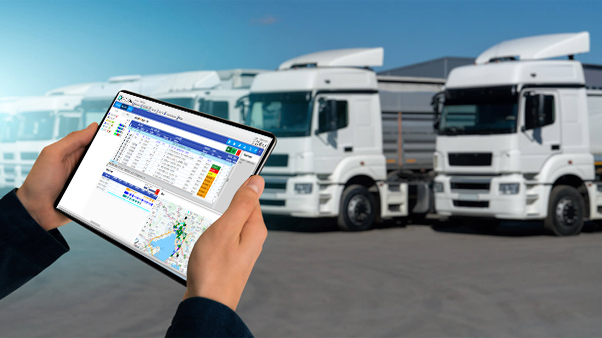
Orcoda’s transport management platform, Transport360, is powered by an optimisation and predictive solving engine designed for this new reality. We help operators manage the transition by:
- Intelligent Energy Management: Transport360 intelligently schedules routes and jobs around charging needs, helping manage depot energy loads to minimize exposure to costly demand charges and maximize the use of off-peak power.
- Optimising Mixed Fleets: Our software seamlessly manages diesel, electric, and hydrogen vehicles in a single system, allocating the right vehicle to the right journey.
- Maximising Asset Utilisation: By re-thinking how freight is distributed and managed, our technology helps you achieve the true economic and environmental potential of your high-value ZEHV assets.
- Balancing ESG and Commercial Goals: We provide the tools to help you meet your ESG commitments without sacrificing commercial reality.
In collaboration with our partners like Betterfleet and EVEnergi, Orcoda is at the forefront of this transition, providing the intelligent layer that makes the move to zero emissions work.